
Residential Inspector in Germantown
A home purchase, a listing, or a long-term maintenance plan all begin with the same question. What is the actual condition of the property? A qualified residential inspector in Germantown answers that question with evidence, not assumptions.
Precision Property Inspections provides residential inspections for buyers, sellers, and homeowners throughout the Germantown area. Our certified inspectors adhere strictly to the Standards of Practice established by InterNACHI, the leading home inspection association. From your first call, we guide you through each stage of the process and remain available to answer questions long after the report is delivered.
Understanding the Residential Inspection
A residential inspection is a visual, non-invasive evaluation of a home and its major systems. Depending on the size of the property, it typically takes two to three hours. Following the walkthrough, we meet with you and your agent to discuss the condition of the home and its systems, and we share as much detail as you request.
Germantown is located along the I-270 corridor, and many of its neighborhoods consist of planned communities, townhome developments, and newer subdivisions. Because housing varies so widely, we tailor our attention to the type of property being inspected.
Inspection Priorities by Home Type
Single-family homes
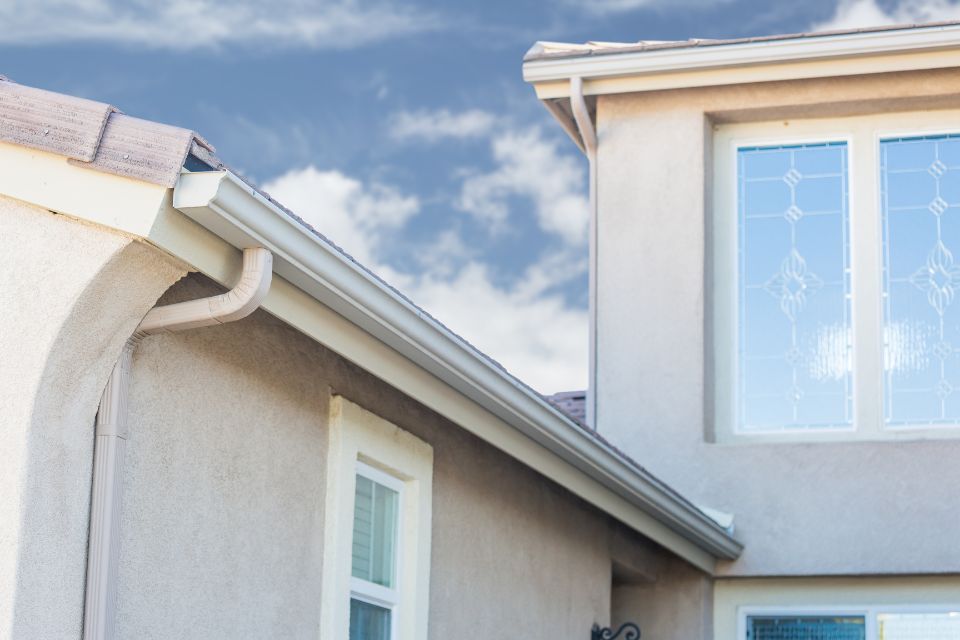
Detached homes expose every side of the structure to weather. We examine roof coverings, flashing, gutters, downspouts, vents, skylights, and chimneys with particular care. We also evaluate siding, windows, exterior doors, decks, patios, stairs, walkways, driveways, and the grading that directs water away from the foundation.
Townhomes
Townhomes often share walls and sometimes share exterior elements. We focus on the unit itself and its visible, accessible components, including roofing where reachable, windows, doors, plumbing, electrical systems, and heating and cooling equipment. Any area that falls outside our scope or cannot be reached is noted clearly in the report.
Condominiums
In a condominium, responsibility is divided between the owner and the association. We inspect the interior of the unit and its accessible systems, including appliances, fixtures, electrical components, and the presence of smoke alarms and carbon monoxide detectors, and we identify any limitations that apply.
Newer construction
A newer home is not automatically a trouble-free home. Builders work under tight schedules, and small defects can go unnoticed. We frequently review drainage, exterior sealing, insulation, ventilation, and the installation of mechanical systems. A thorough inspection before closing allows these items to be documented while the builder is still accountable.
Homes with finished basements, pools, and outdoor features
Finished spaces can conceal moisture, ventilation problems, and electrical work. Where accessible, we review these areas for signs of water entry and for proper function. For swimming pools, we evaluate circulation, heating, filtering, electrical components, water chemistry, and possible safety issues.
The Systems We Evaluate
Every residential inspection covers the property from the roof to the foundation. Our evaluation includes the following areas.
- Roof and exterior. Coverings, gutters, downspouts, flashing, trim, siding, windows, exterior doors, and drainage
- Foundation movement, cracks, structural concerns, and indications of water penetration
- Attics and crawl spaces. Insulation, ventilation, and exhaust systems in unfinished areas
- Heating and cooling. System type, thermostat location, energy source, and heating or cooling method
- Main water and fuel shut-off valves, water heater, interior supply, toilets, sinks, tubs, showers, and drain, waste, and vent systems
- Service drop, main service disconnect, panelboards, grounding, switches, light fixtures, and receptacles
- Fireplaces and chimneys. Visible portions of the fireplace, damper doors, cleanout doors, and chimney components
- A representative number of doors, windows, floors, walls, ceilings, stairs, railings, and garage doors and openers
- Dishwasher, disposal, range, oven, microwave, refrigerator, exhaust fans, bathroom heater, doorbell, and dryer vent
Safety Considerations
Safety is the first priority of any residential inspection. We evaluate electrical hazards, carbon monoxide risks, mold, and structural integrity. We also confirm the presence of smoke alarms and carbon monoxide detectors, and we note whether receptacles in required locations are protected by GFCI or AFCI devices. These findings are explained clearly in person and recorded in the report.
Reading Your Inspection Report
Our easy-to-read Spectora report is delivered in HTML and/or PDF format, with photographs accompanying each finding. The report is organized so that you can quickly identify what matters most:
- Major issues that require attention soon
- Deferred maintenance items to monitor over time
- Components nearing the end of their lifespan, such as HVAC systems and water heaters
You may share the report with your agent, lender, or contractors so that every party is working from the same information.
How Buyers, Sellers, and Owners Benefit
- Buyers use the report to negotiate a more favorable price or to request repairs. The findings also help you plan for future expenses and decide with confidence whether the home is the right choice.
- Sellers who obtain a pre-listing inspection demonstrate transparency and build trust with prospective buyers. This approach can lead to quicker offers and smoother negotiations, and it allows you to address concerns on your own schedule.
- Homeowners gain a clear maintenance roadmap. Knowing that a component is approaching the end of its lifespan allows you to budget in advance and avoid unexpected failures.
Schedule Your Germantown Residential Inspection
If you are preparing to buy, sell, or maintain a residential home in Germantown, we invite you to request a quote online or call Precision Property Inspections to schedule your appointment. We will coordinate with your agent and provide a report you can rely on.
Common Questions People May Discuss
An inspector evaluates and documents the condition of the home without performing repairs. This independence keeps our findings objective. A contractor can then address specific items.
Typically, our evaluation concentrates on the property being inspected. Shared or association-maintained elements may fall outside our scope, and we note any limitations in the report.
Ideally, before the listing goes live. This leaves time to review the findings, decide which items to address, and price the home with confidence.
Yes. Furniture and stored belongings can limit access to certain areas, and we record any such limitations in the report.
Utilities should remain active so that we can operate and evaluate the plumbing, electrical, heating, and cooling systems.
We do not move personal property. Sellers can help by clearing access to the electrical panel, water heater, attic hatch, and crawl space.
The inspection focuses on function, safety, and condition. Minor cosmetic imperfections are generally not the purpose of the evaluation.
These devices help protect against shock and electrical fires. We note whether they are present where they are expected.
Begin with safety concerns and major issues that need attention soon. Deferred maintenance can usually be scheduled over time.
No. Our inspection is an evaluation of condition. It is not a review of code compliance or permits.
It can. Snow, ice, or heavy rain may limit access to roofs and exterior surfaces, and we document any such conditions.
